

When Everything Costs Too Much
For much of my career, I believed that a recession was the worst economic threat. Job losses. Businesses closing. Families stressed. That’s all real and painful. But lately I’ve come around to thinking the more subtle risk, lack of affordability, is doing more damage right now than a typical recession might.
A recession inflicts major harm on the people directly hit. The unemployment rate during the Great Recession (2007-2009) climbed to roughly 10 %. Over eight million jobs vanished. That’s brutal. But here’s the difference: when a recession hits, while many feel it, it’s not everyone at once. With affordability collapsing, everyone feels it.
The Quiet Squeeze
Inflation is no longer only an economist’s obsession—it is the lived experience of more people. The standard measure, the Consumer Price Index (CPI), shows that over the 12 months ending in September 2025, prices rose about 3.0%. A 3 % annual rise may not sound catastrophic, but it is when essentials keep rising and wages don’t keep pace. What matters most is what’s driving that inflation. Housing and medical care alone accounted for roughly two-thirds of that year-over-year inflation. Those are costs you can’t postpone.
Housing inflation is still elevated. Even though shelter inflation has eased from the mid-2023 peak, it remains well above the pre-pandemic average. Medical care inflation continues to outpace broader inflation; for example, in June 2024, medical care prices rose 3.3% versus 3.0% overall.
Put all that together and you get a scenario where even households with stable income are paying more for the roof over their heads, more for health insurance and treatment, more to maintain a standard of living that used to feel comfortable.
Why This Feels Worse Than a Recession
Think about a recession again. It hits; many people suffer, but there’s a segment of the population that hangs on. With affordability breakdown, the damage is wider: every household sees some pressure. In a recession, 10% unemployment is devastating, but 90% of people are still working. In an affordability crisis, everyone pays. Every paycheck buys less. It’s a universal squeeze.
Because the pressure is broad, the stress spreads. We see harder decisions about where to live, decisions to delay milestones like buying a home or starting a family, couples arguing about money, and individuals reluctant to make career changes because the cost of being wrong feels bigger. That stress has real consequences: it erodes confidence, it changes behavior, it distorts long-term plans.
And it shifts the political mood. When lots of people feel like they are falling behind, even when they believe they’ve done the right things, then trust erodes. Solutions become more radical. Promises become louder. We are seeing that dynamic now.
Situational Reality
Across cities and suburbs alike, we see the familiar pattern. Housing costs sit high. Rents and owner-equivalent rents remain elevated. Supply constraints, high mortgage interest rates, and rising construction costs all feed this. Medical costs continue to march upward, with fewer alternatives, greater demand, and harder-to-avoid costs. Everyone who is working doesn’t feel like they are winning; they just feel like they are trying to stand still while the ground beneath them moves.
And the weird thing is that the recession we used to fear may not even arrive in the classic form. But right now, affordability feels like its own recession; it’s just happening inside your budget rather than in full economic collapse.
What You Can Do
You might not be able to stop inflation; you might not be able to stop a recession, but you can act. Look at your budget realistically. What recurring costs have gone up and never been reset? When income rises, don’t assume lifestyle upgrades have to follow immediately; saving or investing more instead builds resilience. Make sure you own assets that have the chance to grow or hold value when prices rise. Keep some cash for peace of mind, but realize that cash doesn’t always protect buying power. Talk about money openly with your partner or household. When affordability stress is everywhere, strong communication becomes more critical than ever.
The best defense isn’t trying to predict when the next recession hits. It’s building a plan that can weather both rising prices and economic setbacks. It’s staying in control when others feel out of control.
The Bottom Line
We may not be in a headline-making recession right now. But we are in a period where everything costs too much, and nobody feels like they’re winning easily. That’s the real risk. Rising prices, squeezing every household, may be doing more damage to stability, relationships, and future planning than we’ve focused on.
If you’re feeling the squeeze and want a plan built for an environment of climbing costs and shifting risks, reach out. At Forefront Wealth Planning, we specialize in making sense of what’s quietly happening, not just what the headlines say. Let’s talk and build your resilience together.
Sources
- “Measure of price change in the CPI: Medical care,” Bureau of Labor Statistics. Bureau of Labor Statistics
- “What are the biggest drivers of inflation in the past year?” USAFacts. USAFacts
- “A Deep Dive into the Drivers of CPI Inflation,” Federal Reserve Bank of San Francisco. Federal Reserve Bank of San Francisco
- “How does medical inflation compare to inflation in the rest of the economy?” Health System Tracker. Health System Tracker
- “The Recession of 2007-2009: BLS Spotlight on Statistics.” Bureau of Labor Statistics+1
- “Historical US Unemployment Rate by Year,” Investopedia. Investopedia
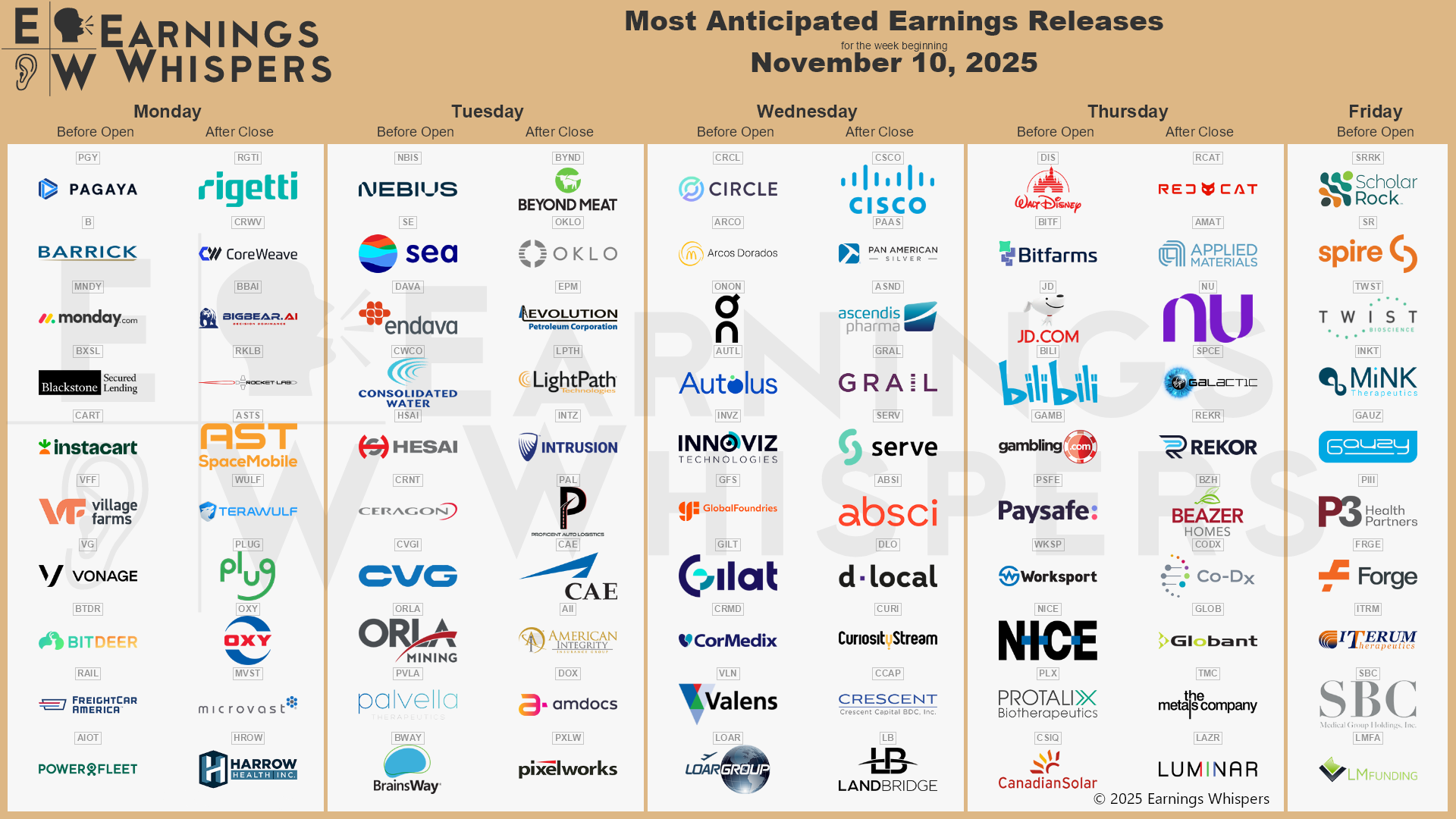
Stock Market Calendar This Week:
| Time (ET) | Report |
| MONDAY, NOV. 10 | |
| None scheduled | |
| TUESDAY, NOV. 11 | |
| Veterans Day holiday, bond market closed | |
| 10:25 AM | Fed governor Michael Barr speaks |
| 6:00 AM | NFIB optimism index |
| WEDNESDAY, NOV. 12 | |
| 9:20 AM | New York Fed President John Williams speaks |
| 10:00 AM | Philadelphia Fed President Anna Paulson speaks |
| 10:20 AM | Fed governor Chris Waller speaks |
| 12:15 PM | Atlanta Fed President Raphael Bostic speaks |
| 12:30 PM | Fed governor Stephen Miran speaks |
| 4:00 PM | Boston Fed President Susan Collins speaks |
| THURSDAY, NOV. 13 | |
| 8:30 AM | *Initial jobless claims |
| 8:30 AM | *Consumer price index |
| 8:30 AM | *CPI year over year |
| 8:30 AM | *Core CPI |
| 8:30 AM | *Core CPI year over year |
| 9:20 AM | New York Fed President John Williams speaks |
| 12:15 PM | St. Louis Fed President Alberto Musalem speaks |
| 12:20 PM | Cleveland Fed President Beth Hammack speaks |
| 2:00 PM | Monthly U.S. federal budget |
| 3:20 PM | Atlanta Fed President Raphael Bostic speaks |
| FRIDAY, NOV. 14 | |
| 8:30 AM | *U.S. retail sales |
| 8:30 AM | *Retail sales minus autos |
| 8:30 AM | *Producer price index |
| 8:30 AM | *Core PPI |
| 8:30 AM | *PPI year over year |
| 8:30 AM | *Core PPI year over year |
| 10:00 AM | *Business inventories |
| 10:05 AM | Kansas City Fed President Jeff Schmid speaks |
| 2:30 PM | Dallas Fed President Lorie Logan speaks |
Did you miss our last blog?
About Amit: I am a first generation American, the son of a working-class Indian family, and I lived through my parents’ struggle to find their place in this country, to put down roots that would sustain them as well as their children in a new land. As they encouraged me to excel in school and fostered my hobbies and interests, I was keenly aware of the dynamic between them. I understood that there was a difference between where they came from individually and where we were now. They worked hard in their individual capacities, but they weren’t always on the same page about financial issues – and that can make or break a family’s future. I didn’t know it at the time, but this laid the groundwork for my passion towards financial services and helping families succeed.